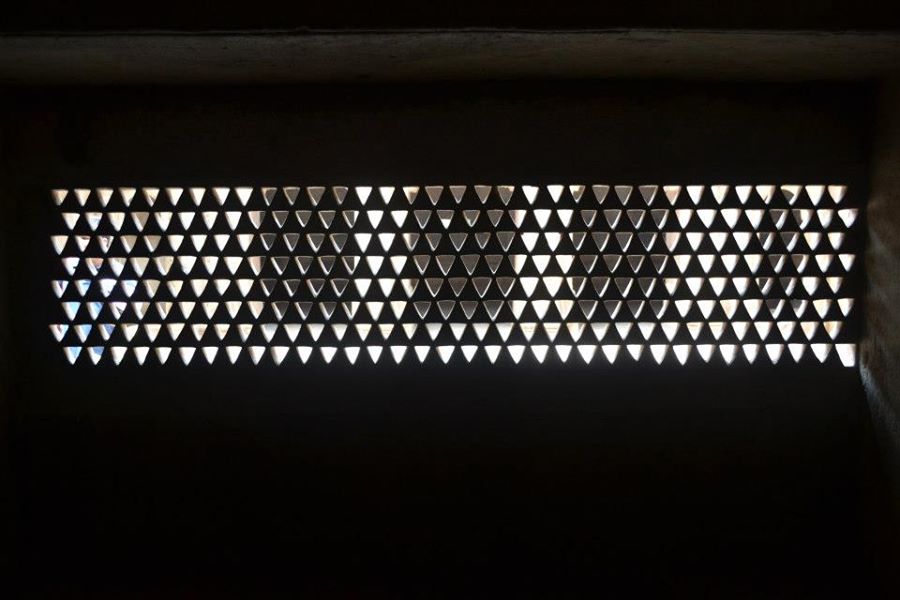
Gwalior is a historical city in the central Indian state of Madhya Pradesh. The city and its imposing fortress has been ruled by several historic northern Indian kingdoms, including the Mughals, the Marathas and the Scindias. There are numerous stories to recount, but here are two – of love and of courage – that have stayed with me. 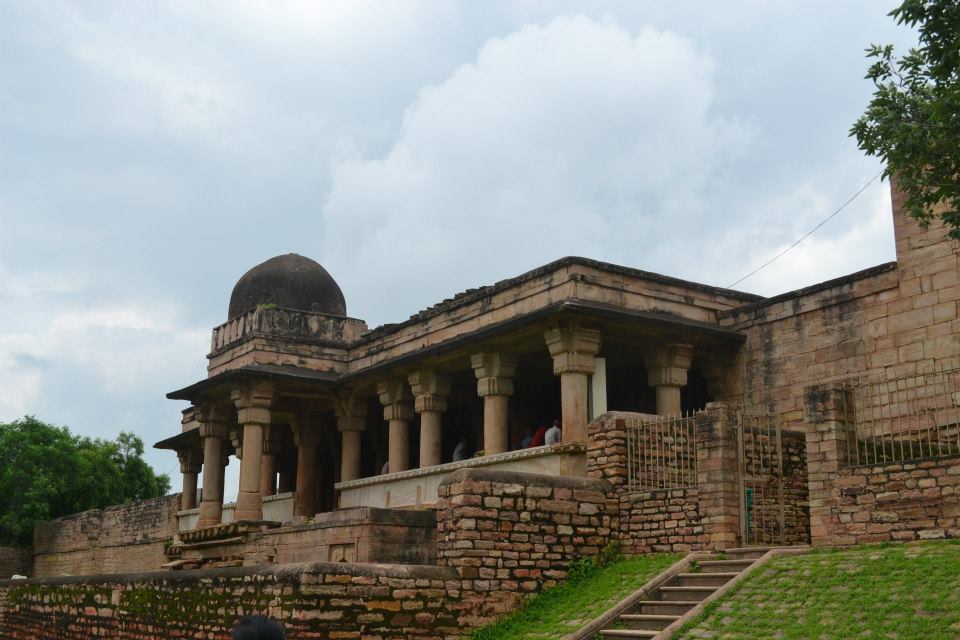
The first story comes from within the walls of the Gwalior Fort. The Mughals had imprisoned the 6th Guru of the Sikhs and 52 kings (see pic). The Guru was freed but he refused to leave without the others. The Mughals said that they will leave as many kings as could hold a corner of the Guru’s choga (robe). The Guru made a choga with 52 corners and all of them went away free. There’s a Gurdwara (Sikh shrine) built inside the Gwalior Fort called Datta Bandi Chod in his honour. Possibly the only fort in India with a Gurdwara.
The second story is that of Mian Tansen – the famed Hindustani classical music singer and composer and his guru Ghaus Mohammad. Tansen is revered for his large number of compositions; he was also one of the nine gems in Mughal ruler 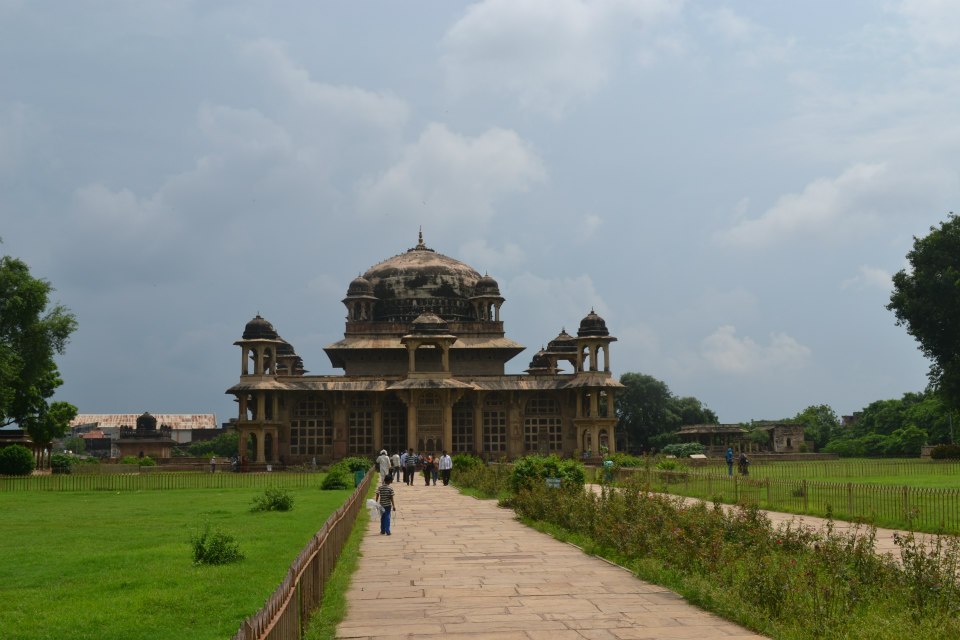 Akbar’s court in Agra. The story goes that Tansen’s parents did not have a child, so they came to Ghaus Mohammad, a Sufi Saint, for his blessings. He blessed them and asked them to come back with the child. Tansen was born deaf and dumb. His parents were disappointed and went around seeking help, but could not find any solution. Finally, they went back to the Sufi Saint. Ghaus Mohammad is said to have told his parents “If Tansen had his voice, you would never have brought him back to me.” He gave Tansen his voice. His mother heard Tansen say Maa (mother) and died soon after. Tansen was brought up by the Saint and is now buried next to his tomb. (Pic: Tomb of Ghaus Mohammad)
 Ranabir Majumdar