Last week, I had the privilege of being part of a few enriching conversations. Conversations filled with awe, wonder and a whole lot of gratitude.
Each of them, in its own way, led me back to the same question: What does it mean to have enough?
Do you measure enough by a number, a designation or a milestone?
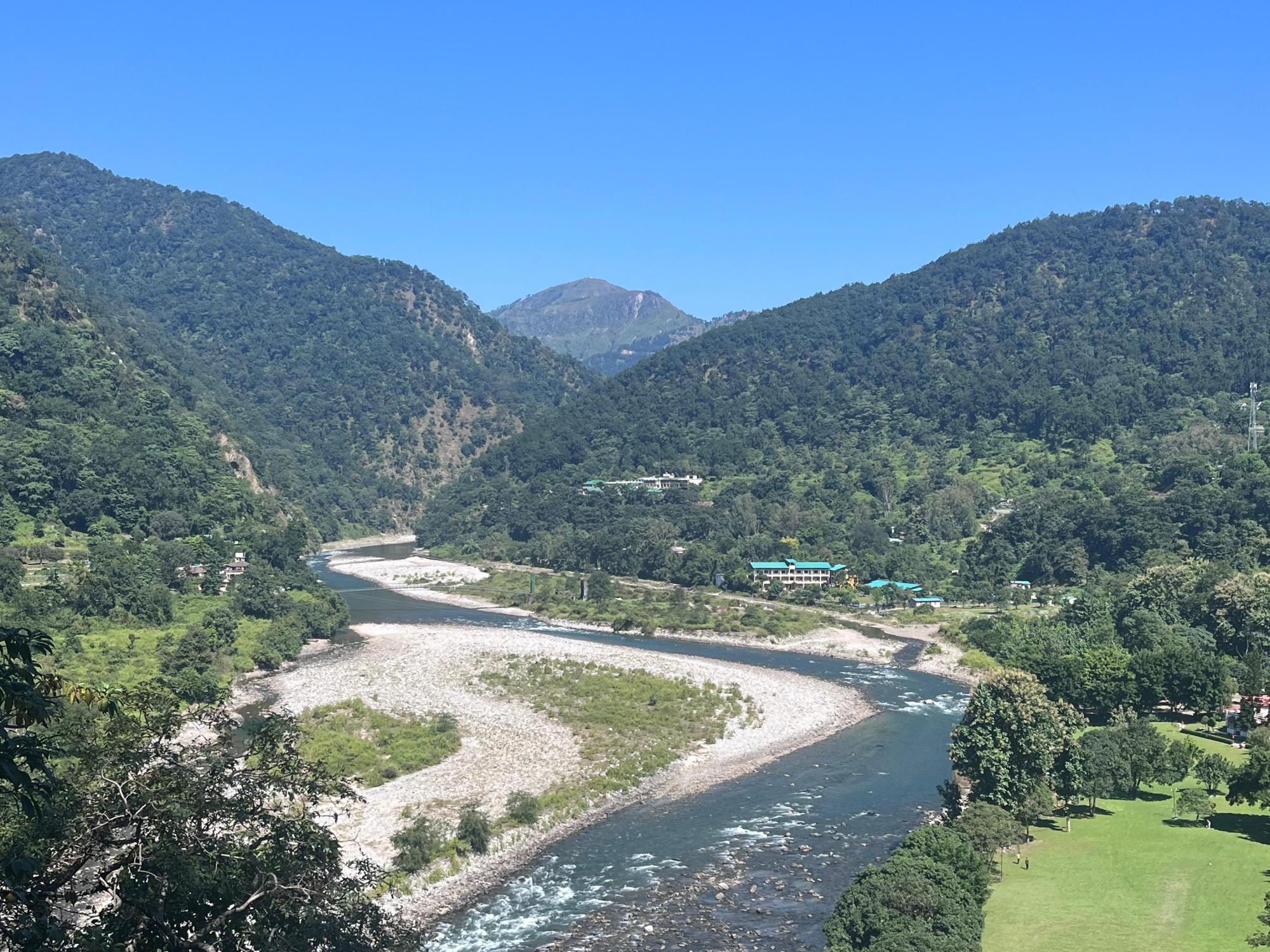
At an off-the-grid lodge in Corbett, I discovered that many of the staff had returned to their roots. Having left their villages nearly 20 years ago, they had chosen to return to a life closer to nature, away from the rhythms of the city. As one of them remarked, they had had enough of the city.
The second conversation was with a potential recruiter. At its heart was a question about why I would want to do something different from what had defined my professional life so far.
This is a question that comes up often during hiring processes, particularly when AI tools reject your résumé or profile in less time than it takes to complete an application. The technology behind rejection is remarkably fast. Its ability to understand a résumé, recognise nuance and assess the fit between a person’s experience and a role, however, can be remarkably poor.
So, when you finally get to speak to a person, across a table or a screen, the conversation often turns to your motivation: Why do you want to do something different? What is it that you’re looking for?
The third conversation happened at a Diwali get-together. We exchanged lists of books we were reading, global cities we wanted to live in, and happy memories of someone who had found the time to learn to play golf many years ago.
There was wonder in that conversation, but also yearning.
As I replayed these conversations in my head, I found myself coming back to one thought.
When we set aside the absolutes that define our lives — where we studied, what we pursued, where we worked — we begin to see one another differently. We see the person behind the credentials. We recognise something of our own lived experience in theirs. And, in turn, we want to be seen as human beings, not as degrees and designations.
When the question “What do you do?” invites an answer that offers a slice of life rather than a résumé, the pretences begin to fall away. We step outside the categories that have so rigidly defined us and begin to see life as the river it was always meant to be: constantly moving, reshaping itself, indifferent to the borders and structures we impose on it.
Having enough is not about reaching a particular destination. It is about remaining open to the possibilities that lie beyond the destinations we have already reached.
And as long as we remain attentive, flexible and alive to the possibilities of our own existence, the power to be ourselves is unmatched.

